
GST in Singapore: Registration Thresholds, Filing Obligations and Common Pitfalls for SMEs
Dec 07, 2025 | What businesses need to know before and after registering for GST. The Goods and Services Tax (GST) is a key part of Singapore’s tax system. While GST is ultimately borne by the final consumer, GST-registered businesses are responsible for charging, collecting and accounting for GST correctly to IRAS...
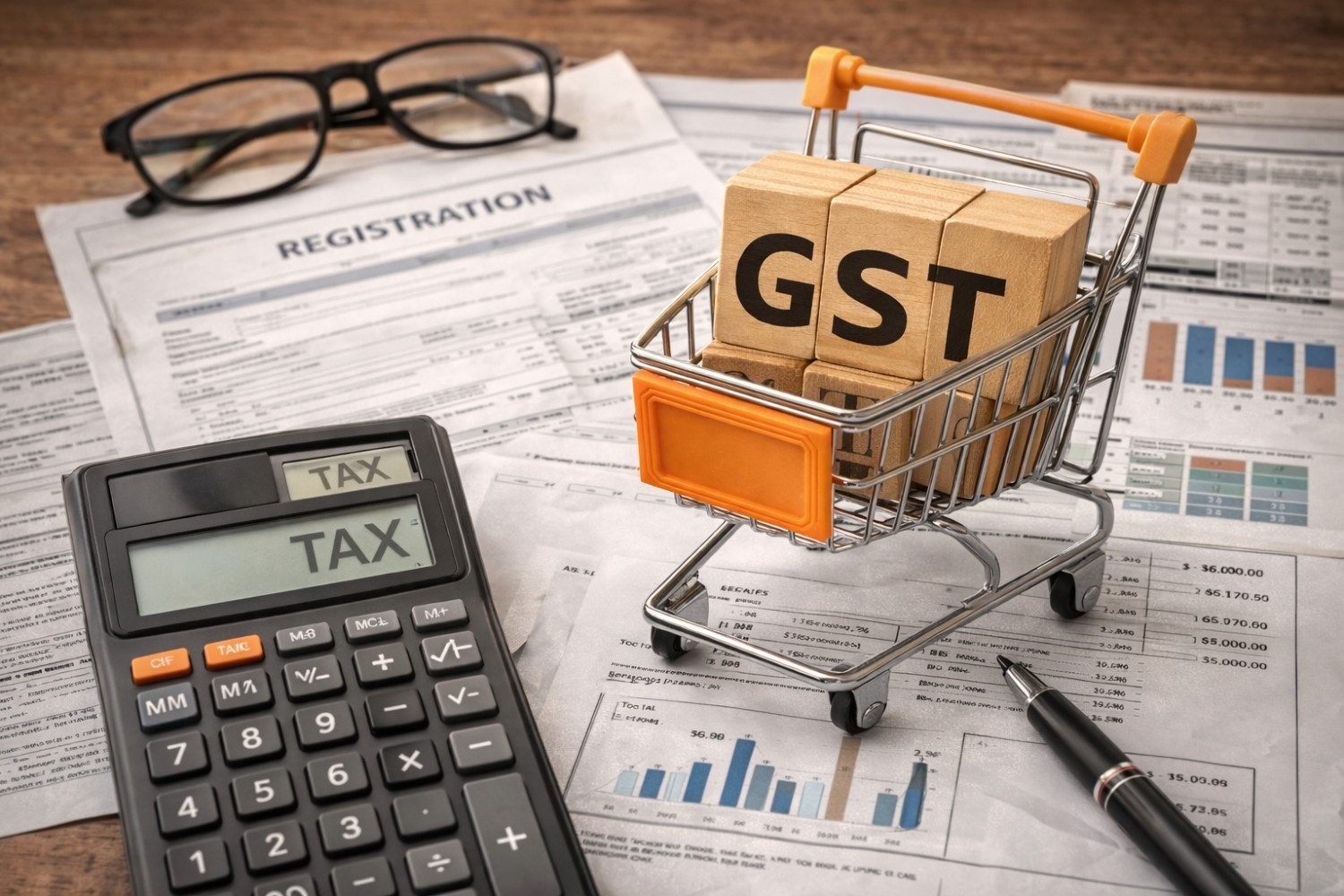
Figure 1: Navigating GST Compliance
The Goods and Services Tax (GST) is a key part of Singapore’s tax system. While GST is ultimately borne by the final consumer, GST-registered businesses are responsible for charging, collecting and accounting for GST correctly to IRAS.
For many SMEs, questions usually fall into three areas:
- Do we need to register for GST?
- Once registered, what are our filing and record-keeping obligations?
- What are the common mistakes that can lead to additional tax, penalties or audits?
This article provides a practical overview of the registration thresholds, ongoing compliance requirements, and typical pitfalls we see among smaller and growing businesses.
1. GST registration in Singapore – when is it compulsory?
A business must consider compulsory GST registration when its taxable turnover crosses certain thresholds. Taxable turnover generally includes standard-rated and zero-rated supplies, but excludes exempt supplies such as most financial services and residential property rentals.
There are two main tests commonly referred to as:
- the retrospective test – based on past 12 months’ taxable turnover
- the prospective test – based on a reasonable expectation of taxable turnover in the next 12 months
If either test is met, compulsory registration may be required, subject to IRAS rules and possible exceptions (for example, if the spike in turnover is clearly one-off and not expected to continue, and IRAS agrees to a waiver upon application).
In addition, businesses that do not meet compulsory thresholds may opt for voluntary GST registration, provided they understand the additional compliance requirements and record-keeping obligations that come with it.
Practical point for SMEs: Even if you are below the threshold now, you should track your turnover regularly and document how you monitor it – this is often asked during GST reviews.
2. Voluntary registration – is it always beneficial?
On paper, voluntary registration can look attractive:
- You can claim input GST on business purchases.
- Some customers (especially B2B) expect to deal with GST-registered suppliers.
However, voluntary registration also means:
- You must charge and account for GST on standard-rated sales.
- You must file GST returns, even in low-activity periods.
- You must maintain proper documentation and records that meet IRAS expectations.
Before opting for voluntary registration, SMEs should consider:
- Customer profile – Are most of your customers GST-registered businesses or end consumers?
- Pricing and competitiveness – Will adding 9% GST make you less competitive in your market segment?
- Internal capacity – Do you have the basic processes and systems to track GST correctly?
Voluntary registration can be useful for some businesses, but it should be aligned with both commercial reality and compliance readiness.
3. Filing obligations for GST-registered businesses
Once registered, a business must:
- Charge GST on standard-rated supplies at the prevailing rate.
- Issue tax invoices containing all required details for GST-registered customers.
- File GST returns (commonly on a quarterly basis, though some file monthly or half-yearly).
- Pay any GST due to IRAS by the prescribed due date.
- Maintain proper records (invoices, receipts, import/export documents, credit notes, etc.) for at least the required retention period.
Each GST return generally requires:
- Reporting output tax (GST collected on sales)
- Reporting input tax (GST incurred on purchases, where claimable)
- Ensuring correct treatment for zero-rated, exempt and out-of-scope supplies
- Reconciliation to accounting records (e.g. general ledger and trial balance)
It is good practice to have a simple checklist for each filing period, even for smaller finance teams.
4. Claiming input tax – conditions and restrictions
Input tax is not automatically claimable just because GST is charged on an invoice. To be claimable, input tax generally must:
- Be incurred for the purpose of your business
- Relate to taxable supplies that you make or intend to make
- Be supported by a valid tax invoice or relevant import document
- Not be specifically disallowed under GST rules
Common categories where problems arise include:
- Non-business expenses – personal, private or shareholder-related costs
- Motor vehicles and related expenses – many types are restricted or disallowed
- Expenses with mixed business and private use – e.g. entertainment, mobile phone, travel
- Staff benefits which may not meet the criteria for input tax claims
SMEs should review these areas carefully and, where necessary, adopt reasonable and documented allocation methods for mixed-use expenses.
5. Common GST pitfalls for SMEs
Some of the recurring issues we see in practice include:
a) Late or missed registration
Businesses crossing the threshold but failing to register on time may face:
- Backdated GST registration
- GST payable on past sales (even if not collected from customers)
- Penalties and interest
b) Incorrect classification of supplies
Examples include:
- Treating zero-rated supplies as standard-rated (or vice versa)
- Misunderstanding exempt supplies vs out-of-scope supplies
- Incorrect treatment of disbursements vs reimbursements
These errors can distort both output tax and input tax claims.
c) Over-claiming input tax
This can arise from:
- Claiming GST on expenses not related to the business
- Claiming GST on invoices addressed to another entity (e.g. director personally)
- Claiming input tax when no valid tax invoice or supporting document exists
- Not adjusting for credit notes, bad debt relief or non-payment situations where required
d) Weak documentation and reconciliation
Inadequate record-keeping can cause problems even where the underlying transaction is valid. Examples:
- Lack of proper tax invoices or import permits
- No clear linkage between accounting entries and GST returns
- No periodic GST reconciliations between the return and the general ledger
6. Internal processes to reduce GST risk
Even a small business can put in place basic controls to manage GST properly:
- Standard templates for invoices and credit notes with correct GST fields
- Clear processes to mark non-GST or exempt transactions in the system
- Periodic review of expense claims and staff reimbursements
- Regular checks on GST settings in accounting software
- A simple pre-filing review of each GST return, including comparison against prior periods and management accounts
Documenting these processes – even at a basic level – can help demonstrate to IRAS that the business takes its GST obligations seriously.
7. When to seek professional support
It may be useful to seek professional advice when:
- You are approaching or have crossed the registration threshold
- Your business model involves overseas transactions, e-commerce or complex supplies
- You are undergoing a GST audit or review by IRAS
- You are restructuring, expanding or entering into major contracts with GST implications
Proactive advice can often prevent issues that are more costly to fix later.
8. How Ascern can assist
At Ascern, we support SMEs and growing businesses in:
- assessing whether and when GST registration is required
- reviewing GST treatment for common transactions and industry-specific scenarios
- setting up basic processes to capture and report GST correctly
- preparing or reviewing GST returns before submission
- assisting with IRAS queries or reviews related to GST
Our focus is on practical, clear and compliant GST support that fits the scale of your operations.
Elevate Your Boardroom Dynamic
Discover how our strategic governance solutions can transform your organization's leadership and decision-making processes.