
Common ACRA Filing Mistakes Directors Make (and How to Avoid Late Filing Penalties)
Jan 25, 2026 | Practical reminders for Singapore company directors. In Singapore, directors are responsible for ensuring that their company complies with filing requirements under the Companies Act and with the Accounting and Corporate Regulatory Authority (ACRA). While many companies rely on corporate secretaries...
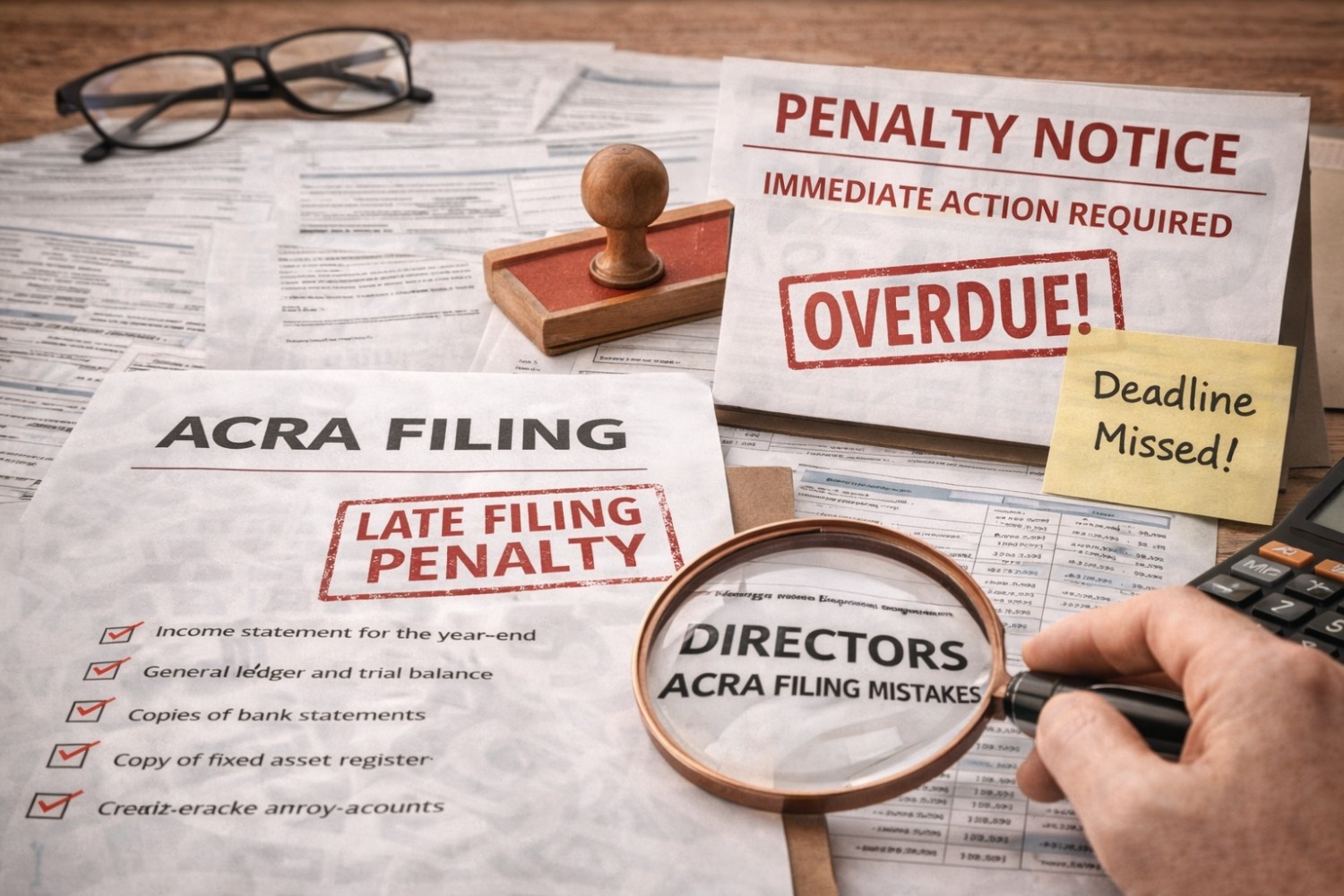
Figure 1: Navigating Corporate Compliance
In Singapore, directors are responsible for ensuring that their company complies with filing requirements under the Companies Act and with the Accounting and Corporate Regulatory Authority (ACRA).
While many companies rely on corporate secretaries or service providers to handle filings, ultimate responsibility still rests with the directors. Late or incorrect filings can lead to penalties, enforcement actions and unnecessary administrative effort.
This article highlights common ACRA-related mistakes directors make, and offers practical suggestions to avoid late filing penalties and compliance issues.
Note: This is a general overview and does not replace the latest requirements or guidance issued by ACRA.
1. Treating ACRA deadlines as the secretary’s problem
Common mistake
Directors assume that once a company secretary or corporate services provider is appointed, all filings will automatically be handled on time. They may not track deadlines or review documents being filed.
Why it matters
- ACRA holds directors accountable for non-compliance.
- Late filings can attract penalties and composition sums.
- In more serious or repeated cases, directors may face prosecution or disqualification from acting as directors.
How to avoid it
- Maintain a simple compliance calendar showing:
- Financial year end
- Target date for accounts approval
- AGM or written resolution timelines (if applicable)
- Annual Return filing deadline
- Agree with your company secretary who does what, and by when.
- Ask for confirmation and copies when key filings (e.g. Annual Return, changes in directors, share allotments) are completed.
2. Forgetting Annual Return (AR) deadlines
Common mistake
Annual Returns are filed late because:
- Financial statements are not ready in time.
- Directors delay approval of accounts.
- There is confusion over the actual filing deadline.
Why it matters
- ACRA expects the AR to be filed within the prescribed timelines based on the company’s status (listed vs non-listed) and financial year end.
- Late filings can trigger late lodgement penalties, which increase with the length of delay.
How to avoid it
- Work backwards from your AR deadline:
- Set a target date for completion of financial statements (draft and final).
- Schedule board approval (and AGM / written resolutions, if applicable) well before the AR deadline.
- Ensure your company secretary has your latest financials and is aware of your approval schedule.
- Where delay is unavoidable (e.g. complex year-end, restructuring), discuss options early, not after the deadline has passed.
3. Misunderstanding AGM requirements or dispensation
Common mistake
Some directors:
- Assume an AGM is required every year, even when the company has dispensed with AGMs.
- Or, assume that because they “don’t hold AGMs anymore”, there is no need to document shareholder approvals.
Why it matters
- Even when AGMs are dispensed with, financial statements still need to be prepared and approved, and certain matters (e.g. directors’ fees, re-appointment of auditors) may still require shareholder approval via written resolutions.
- ACRA may question filings where dates of accounts and approvals are inconsistent with legal requirements.
How to avoid it
- Confirm with your company secretary whether your company:
- still holds AGMs; or
- has validly dispensed with AGMs under the Companies Act.
- If AGMs are dispensed with:
- ensure written resolutions or equivalent approvals are properly documented and dated;
- keep records demonstrating that shareholders have received financial statements within required timeframes.
- Align the dates on resolutions, financial statements and AR filings.
4. Not updating changes in directors, address or company particulars on time
Common mistake
Changes such as:
- appointment or resignation of directors,
- change of director’s particulars,
- change of registered office address, or
- change of company name or share capital
are not filed on a timely basis.
Why it matters
- Certain changes must be lodged with ACRA within specific timeframes from the effective date.
- Delayed filings may attract penalties and can cause misalignment between legal records and reality, which may be problematic in bank dealings, contracts or due diligence.
How to avoid it
- Have a simple internal rule: any structural or governance change ? inform the secretary immediately.
- Before finalising:
- director appointments / resignations
- changes in registered address
- share allotments or transfers
5. Inconsistent share capital and ownership records
Common mistake
- Issuing or transferring shares without proper documentation.
- Not updating ACRA filings for changes in share capital.
- Having differences between the cap table in the company’s internal spreadsheets and ACRA’s records.
Why it matters
- Share capital and ownership records are fundamental legal information.
- Inconsistencies can create issues in:
- investor negotiations
- bank financing
- regulatory reviews
- disputes between shareholders
How to avoid it
- Before any share issue, transfer or redemption:
- consult your company secretary on necessary resolutions and filings;
- ensure the constitution allows the planned transaction.
- After transactions:
- check that ACRA filings have been updated;
- reconcile your internal shareholder register to ACRA’s records.
6. Filing “placeholder” information without proper review
Common mistake
- Treating filings as a formality and approving them without reviewing details.
- Allowing the company secretary to use generic or incomplete information to meet a deadline.
Why it matters
- Annual Returns and other ACRA filings are official records.
- Inaccurate information can cause complications later, especially in:
- due diligence
- disputes or litigation
- regulatory inquiries
How to avoid it
- Ask for a draft of key filings (e.g. Annual Return summary, changes in company particulars) before submission.
- Check:
- registered office address
- principal activities (SSIC codes)
- directors’ and secretary’s particulars
- share capital and shareholder details
- If you are unsure about something, clarify it before approving.
7. Not coordinating ACRA filings with financial reporting and tax
Common mistake
Directors treat ACRA, financial reporting and IRAS tax matters as separate tasks, handled by different parties with limited coordination.
Why it matters
- Dates and information in:
- financial statements,
- Annual Return filings, and
- tax filings (ECI, Form C-S/C)
- Misalignment may raise questions from regulators, banks or investors.
How to avoid it
- Ensure your company secretary, accountant and tax agent are aware of each other’s roles and timelines.
- Confirm:
- the agreed financial year end;
- when the financial statements will be ready;
- target dates for AR and tax filings.
- Keep a single compliance calendar linking ACRA and IRAS deadlines.
8. Ignoring ACRA reminders or notices
Common mistake
ACRA sends email or electronic reminders, but they are:
- ignored,
- sent to outdated email addresses, or
- not forwarded from generic mailboxes (e.g. info@company.com).
Why it matters
- Reminders may flag upcoming deadlines, outstanding filings or penalties.
- Missing these can result in escalating late fees and potential enforcement action.
How to avoid it
- Ensure contact details and email addresses registered with ACRA are current and monitored.
- Designate someone (e.g. company secretary, a director or admin staff) to monitor and escalate ACRA communications.
- If you receive a notice you do not fully understand, check promptly with your company secretary or advisor.
9. Waiting until after a deadline to seek help
Common mistake
Only contacting the company secretary, accountant or advisor after a deadline has passed, or when ACRA has already issued penalty notices.
Why it matters
- Options may be more limited once non-compliance has occurred.
- Rectification may involve additional costs and administrative work.
How to avoid it
- Reach out early if:
- you expect delays in finalising accounts,
- there have been complex transactions during the year, or
- you are unsure how to handle particular filings.
- Consider having a pre-year-end check-in with your advisors to review upcoming reporting and filing requirements.
10. How Ascern can help directors stay compliant
At Ascern, we assist directors and business owners to:
- understand their company’s ACRA and financial reporting obligations,
- plan timelines for accounts preparation, assurance (if applicable) and AR filing,
- coordinate with company secretarial providers to keep statutory records up to date, and
- review financial statements and related information for consistency before filings are made.
Our focus is on making compliance clear, manageable and predictable, so that directors can fulfil their duties with confidence and avoid unnecessary late filing penalties.
If you would like to review your current compliance process or build a simple annual compliance calendar for your company, we would be pleased to support you.
Elevate Your Boardroom Dynamic
Discover how our strategic governance solutions can transform your organization's leadership and decision-making processes.