
Building Foundational Internal Controls: A Practical Guide for Growing Businesses
Jan 11, 2026 | Simple control measures that small finance teams can realistically implement. As businesses grow, transactions increase, more people get involved, and decisions become more complex. Without basic internal controls, even profitable businesses can face cash flow issues, errors, disputes, or, in the worst cases, fraud...
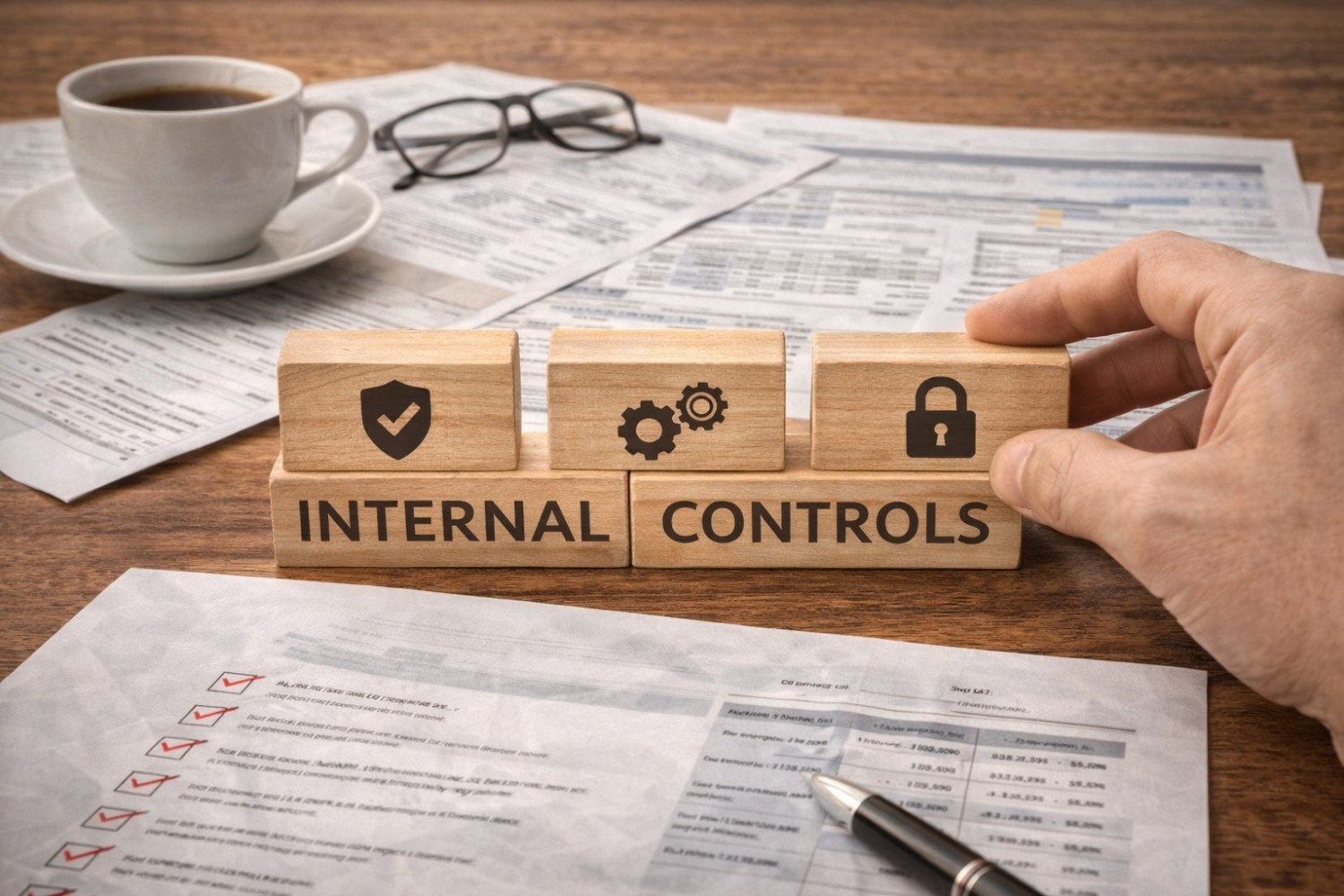
Figure 1: Establishing Robust Foundations for Growth
As businesses grow, transactions increase, more people get involved, and decisions become more complex. Without basic internal controls, even profitable businesses can face cash flow issues, errors, disputes, or, in the worst cases, fraud.
Many owners assume “internal controls” means complex frameworks suited only for large corporations. In reality, small and growing businesses can put in place simple, practical controls that significantly reduce risk while remaining workable for lean teams.
This article sets out a practical guide to building foundational internal controls that SMEs can realistically implement.
1. What are internal controls – and why do they matter?
Internal controls are the policies, procedures and practices that help a business:
- safeguard its assets,
- ensure accurate and reliable financial reporting,
- comply with laws and regulations, and
- support efficient and consistent operations.
For growing businesses, good controls:
- reduce the chance of errors and omissions,
- make it harder for fraud or misuse of funds to go undetected,
- provide clearer information for decision-making, and
- help satisfy auditors, banks, investors and other stakeholders.
Controls should be right-sized – robust enough to be effective, but not so complex that they are ignored in practice.
2. Core principles of good controls for SMEs
Even without a large finance or internal audit team, SMEs can follow a few basic principles:
- Segregation of duties where possible
Avoid giving one person complete control over a process from start to finish (e.g. recording, approving and paying). - Clear authorisation and approval limits
Define who can approve what – by amount, type of expense and type of transaction. - Documentation and supporting evidence
Ensure that key transactions are backed by contracts, invoices, quotations and other written records. - Independent checks and reconciliations
Someone should periodically review and reconcile key records (e.g. bank accounts, debtors, creditors). - Accountability and oversight
Management and owners should regularly review key reports and ask questions about unusual items or trends.
These principles can be applied flexibly across different areas of the business.
3. Cash and bank – safeguarding liquid assets
Cash and bank balances are often the most attractive targets for misuse. Foundational controls include:
Bank accounts and signatories
- Use corporate bank accounts, not personal accounts, for business transactions.
- Implement dual signatories for larger payments where possible.
Payment approvals
- Require documented approval (e.g. sign-off on invoices or payment lists) before payments are made.
- For online banking, separate payment creation and authorisation roles when the bank platform allows.
Bank reconciliations
- Reconcile bank accounts to the general ledger at least monthly.
- Review and promptly investigate any unexplained differences.
Even in a small company, having one person prepare the reconciliation and another (e.g. a director) review it periodically can significantly strengthen control.
4. Revenue and receivables – completeness and collection
Weak controls around revenue can lead to missing income, unbilled work or uncontrolled credit risk.
Practical controls include:
Sales and billing process
- Ensure there is a clear link from customer orders / contracts to invoices.
- Use pre-numbered invoices or system-generated invoice numbers to track completeness.
Credit control
- Set simple credit limits and payment terms for customers.
- Monitor ageing of receivables and follow up overdue accounts consistently.
Revenue cut-off at year-end
- For reporting, ensure that revenue is recognised in the correct period, based on delivery or performance.
Regular aged receivables reports (e.g. monthly) reviewed by management help identify collection issues early.
5. Purchases and payables – approvals and value for money
Without controls, businesses may face duplicate payments, unauthorised spending or poor procurement decisions.
Foundational controls:
Purchase approvals
- Define approval levels (e.g. manager/director) for different spending thresholds.
- For significant purchases or contracts, require at least two quotations where practical.
Three-way matching (for higher-risk areas)
- Match purchase orders, goods received and supplier invoices before payment.
- For smaller businesses, this can be applied selectively to major purchases.
Supplier master data
- Review and approve new supplier set-ups and changes to bank details.
- Avoid allowing any one person to create suppliers, process invoices and make payments without review.
Periodic review of top suppliers and spending patterns can also highlight unusual or inefficient expenditure.
6. Payroll and staff claims – fairness and control
Payroll is often a major cost and a sensitive area.
Practical controls:
- Master data and changes: Approve new hires, terminations and changes in salary or allowances formally (e.g. signed letters, HR forms).
- Timesheets or attendance records (where relevant): Maintain reliable records to support overtime, hourly work or project-based charges.
- Expense reimbursements: Require original receipts or proper documentation for claims. Set clear policies on what is claimable (e.g. travel, entertainment, phone) and what is not.
Management should periodically review payroll summaries, comparing headcount, total cost and unusual items against prior periods and budgets.
7. IT and access controls – who can do what in the system
As businesses adopt accounting systems and cloud tools, access and configuration become important control points.
Key considerations:
- User access rights: Limit access based on role – not everyone needs full rights to edit or approve. Remove access promptly when staff leave or change roles.
- System configuration: Ensure key settings (e.g. tax codes, chart of accounts, posting periods) are configured correctly. Restrict access to critical configuration areas.
- Audit trail and logs: Use systems that provide basic audit trails (e.g. who posted or amended transactions). Review unusual changes or manual journal entries periodically.
Simple measures like unique user IDs and not sharing passwords already improve accountability.
8. Governance, oversight and culture
Controls work best when they are supported by a tone from the top that emphasises integrity and accountability.
For growing businesses:
- Hold regular management or owner reviews of key financial reports (P&L, balance sheet, cash flow).
- Document important decisions (e.g. major contracts, write-offs, related party transactions) via emails, minutes or resolutions.
- Communicate clearly that policies apply to everyone, including senior management.
When staff see that controls are taken seriously – and that exceptions require proper justification – they are more likely to follow them.
9. Starting small: what to implement first
For very small teams, it may not be possible to implement everything at once. Priority areas often include:
- Bank reconciliations and payment approvals
- Basic revenue and receivables tracking
- Clear expense and reimbursement policies
- Segregation between recording and approval where feasible
- Simple, documented closing and review process at month-end
Over time, as the business grows, more structured controls can be added, such as formal delegations of authority, documented policies and periodic internal reviews.
10. Periodic review and updating of controls
Businesses change – new products, new systems, more staff, new locations. Controls that were sufficient two years ago may no longer be adequate.
It is helpful to:
- review key processes every year or two,
- consider whether controls still fit the current scale and complexity, and
- update policies and procedures where needed.
External auditors, accountants or advisors can provide useful observations based on what they see in similar businesses.
11. How Ascern can support your internal control journey
At Ascern, we help growing businesses to:
- map out key financial and operational processes,
- identify gaps and practical control improvements,
- design simple, workable control measures suitable for small teams,
- document basic policies and procedures, and
- integrate internal control considerations into year-end reporting and assurance work.
Our focus is on controls that are practical, scalable and proportionate – adding protection and clarity without overwhelming your operations.
If you would like to discuss your current internal control environment or plan a foundational control review, we would be pleased to assist.
Elevate Your Boardroom Dynamic
Discover how our strategic governance solutions can transform your organization's leadership and decision-making processes.